Home / Articles
What Is Nostril Narrowing Treatment? A Guide to Procedures
Home / Articles
What Is Nostril Narrowing Treatment? A Guide to Procedures
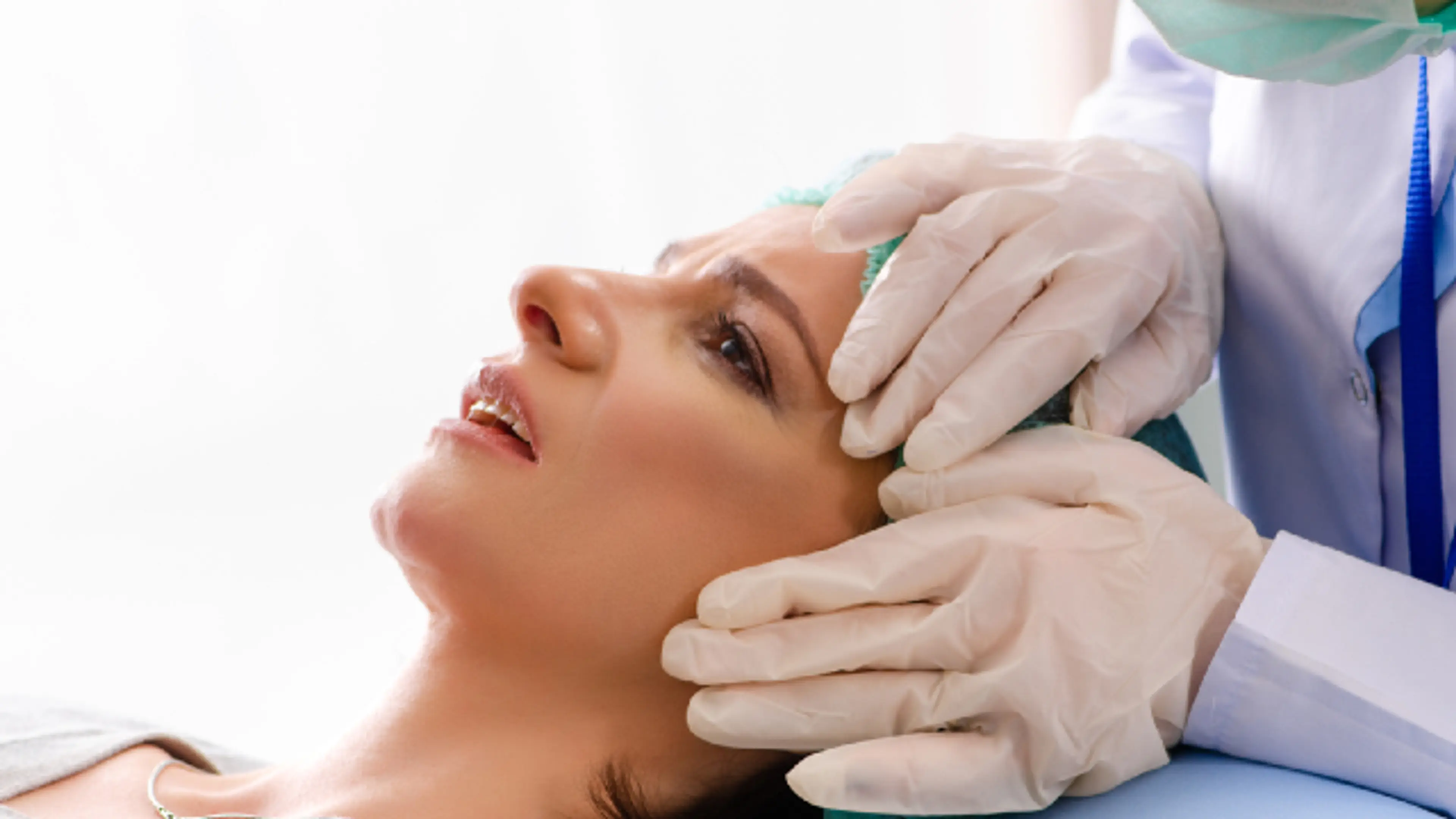
Nostril narrowing treatment is a specialized surgical procedure designed to reduce the width of the nasal base and the size of the nostrils. By strategically removing a small amount of tissue, a surgeon can create a more balanced, refined look that complements the rest of your face. In this guide, we will explore everything you need to know about the procedure, from the different surgical techniques to the best places in the world to receive treatment.
The primary goal of the treatment is to achieve a harmonious balance. It is not about making the nose look "operated on," but rather about ensuring the nostrils sit within the vertical lines drawn down from the inner corners of the eyes. A successful procedure maintains the natural character of your face while providing a subtle, sophisticated improvement in symmetry.
Not every nose requires the same approach. You might be an ideal candidate for nostril narrowing treatment if you identify with the following:
Nostril narrowing treatment is a cornerstone of "Ethnic Rhinoplasty." Patients of Asian, African, and Middle Eastern descent often seek this procedure to refine a wide nasal base while preserving their unique cultural features. Expert surgeons focus on maintaining the structural integrity of the nose while providing the desired narrowing.
Before undergoing surgery, it is vital to ensure that narrowing the nostrils won't interfere with your breathing. A qualified surgeon will examine your nasal valves to ensure that the reduction in size does not restrict airflow.
There is no one-size-fits-all approach to nostril narrowing treatment. Depending on your anatomy, your surgeon may recommend one of the following techniques:
This is the most common technique. The surgeon removes a wedge-shaped piece of tissue from the outer base of the nostril where it meets the cheek. This effectively pulls the nostril wall inward, reducing the overall width.
If the base of the nostril (the "floor") is the primary issue, a sill excision is performed. The tissue is removed from the inside of the nostril floor. This is excellent for reducing the width of the nasal base without changing the curve of the outer nostril wall.
This is a more complex technique used when the tension of the nostrils needs to be redirected. It involves a Y-shaped incision that is closed in a V-shape, allowing for a precise adjustment of the nostril's position.
Technique | Primary Goal | Best For |
|---|---|---|
Weir Excision | Reduce nostril flaring | Patients with wide, curved alar walls |
Sill Excision | Narrow the nasal base | Patients with a wide floor but normal walls |
Combined Method | Total refinement | Patients needing both width and flare reduction |
Non-Surgical (Botox) | Temporary flare reduction | Patients with dynamic flaring (active muscles) |
The thought of facial surgery can be intimidating, but nostril narrowing treatment is typically a straightforward, outpatient procedure.
While alarplasty is considered safe, all surgery carries some risk. Transparency is key to a successful outcome. Potential risks include:
Choosing a board-certified surgeon with extensive experience in nasal surgery is the best way to minimize these risks.
South Korea offers a unique combination of the world's most experienced plastic surgeons and state-of-the-art medical facilities. Because the volume of cosmetic procedures performed in Seoul is so high, surgeons have unparalleled expertise in refining the nasal base. Furthermore, South Korea is widely recognized as the most affordable high-end market for these treatments.
Country | Estimated Cost (USD) | Expertise & Quality |
|---|---|---|
South Korea | $1,000 – $2,500 | Best-in-Class / Global Leader |
Thailand | $1,200 – $3,000 | High Quality / Popular |
United Kingdom | $4,000 – $7,000 | Good Quality / High Cost |
United States | $3,500 – $8,500 | High Quality / Very Expensive |
Australia | $4,000 – $7,500 | High Quality / Expensive |
Choosing South Korea allows patients to receive "celebrity-level" care at a fraction of the cost found in the US or Europe.
When performed by an expert, the incisions are placed within the natural creases where the nostril meets the cheek. This makes any scarring extremely difficult to see once the healing process is complete.
No. A correctly performed nostril narrowing treatment only removes excess skin and tissue from the outer walls or floor of the nostrils. It does not involve the internal structures responsible for airflow.
Yes. Unlike "liquid rhinoplasty" or fillers, alarplasty involves the surgical removal of tissue. The results are permanent and will not change over time.
Most patients are advised to stay for about 7 days. This allows the surgeon to monitor the initial healing and remove the stitches before you fly home.
Absolutely. Many patients combine nostril narrowing with tip refinement or bridge augmentation to achieve a complete nasal transformation.
Most patients describe the sensation as "tightness" rather than pain. Since you will be under anesthesia or local numbing during the procedure, you won't feel anything. Afterward, simple over-the-counter pain relief is usually sufficient.
Nostril narrowing treatment is a powerful yet subtle way to enhance your facial symmetry and boost your confidence. Whether you are dealing with flaring nostrils or a wide nasal base, modern alarplasty techniques offer a permanent, safe solution.